
Why Acquire Land?
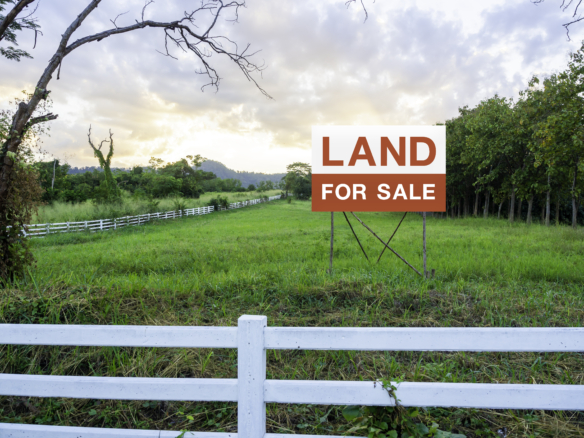
When people think about real estate, they usually picture homes or rental properties. But owning land? That’s a whole different ballgame. It’s like holding onto a blank canvas, ready for you to turn into whatever you envision—whether it’s a dream home, a vacation retreat, or even a savvy investment. Acquiring land is a smart move for those who crave both freedom and security. Let’s jump into the reasons why you might want to add some soil and grass to your portfolio!
Importance of Owning Land
Land has always held value, and it will continue to do so. The appeal of landownership isn’t just rooted in history—it’s practical. Land is a tangible asset, meaning it can’t disappear or become obsolete, unlike tech stocks or other volatile investments. Whether you’re thinking about a personal haven, a rental spot, or a future investment, owning land gives you something substantial, both physically and financially.
Investment Potential
Land’s value often appreciates over time, especially in growing areas. It’s an excellent investment if you’re thinking long-term. If you invest in land in a developing region, the potential to resell for a higher price could be huge. Plus, with minimal upkeep costs compared to buildings, land is a low-maintenance investment that can turn into a lucrative asset.
Security and Freedom
There’s something freeing about owning land. It’s like owning your own little slice of the planet. You have the autonomy to build, farm, camp, or even hold onto it for future generations. Unlike renting or leasing, where you’re bound by rules and restrictions, owning land gives you complete control. You decide its purpose. Want to build a home? Go for it. Prefer to keep it wild and rugged? That’s cool too.
Ways to Acquire Land
Now that we know why acquiring land is such a game-changer, let’s talk about how you can actually get your hands on some. There are several ways to acquire land, each with its own benefits, risks, and processes. Here’s a breakdown.
Purchasing Land Outright
The most straightforward way to acquire land is to purchase it outright. Simple, right? But there’s more to it than just handing over a check.
Cash vs. Financing
If you’ve got the cash to buy land outright, congratulations! You’ve already bypassed one of the trickiest parts: financing. However, many buyers opt for financing. Obtaining a traditional mortgage loan for unimproved land can be pretty tough to achieve. Many banks just won’t lend for land. But there are other financing options if you don’t want to use cash.
Enter Seller Financing. You can structure a deal with the seller that allows you to make payments over time just like a standard mortgage loan. Land investors, like Rurban Land, will often offer selling financing so you can achieve your dream of owning land while keeping your cash in your pocket. Seller financing often allows you to transfer the deed in your name immediately rather than waiting until the loan is paid off.
Each has its pros and cons. With cash, you avoid interest rates and debt, but financing allows you to buy sooner without saving up a large sum. Consider which option fits your financial situation best.
Finding the Right Plot
Location is everything when purchasing land. Whether you’re looking for a rural retreat or a future home site near a growing city, take the time to research. Consider factors like proximity to roads, utilities, and zoning restrictions. Some areas may be off-limits for building or come with hefty environmental regulations. Always check local laws and restrictions before committing to a plot. Also be aware of what services are available in the area. How far is it to the grocery store? Is there medical care nearby? Having an awareness of what is available to you in the location you are looking is important.
Land Auctions
If you’re feeling adventurous, auctions can be an exciting way to buy land at a competitive price. Auctions are often held by local governments or private companies looking to sell off surplus or foreclosed properties.
What to Expect at Auctions
Auctions can be a fast-paced, adrenaline-fueled experience. The bidding process may be quick, and it’s easy to get caught up in the excitement. You’ll need to do your homework ahead of time. Know the property you’re bidding on, and don’t forget to check for any unpaid taxes or liens as these often go with the auctioned property.
Risks and Rewards
Auctions offer great deals, but they come with risks. The land might have legal or environmental issues that aren’t immediately obvious. While the price may be right, make sure you understand any hidden costs or problems that could arise later.
Acquiring Land through Lease-to-Own
If paying upfront feels daunting, lease-to-own could be the solution. It’s an option that allows you to rent land while paying towards eventual ownership.
What is Lease-to-Own Land?
Lease-to-own is essentially renting land with the intention of buying it over time. You’ll pay an agreed-upon monthly rent, with a portion of that going toward the land’s final purchase price. It’s a great option if you want to secure land without making a large upfront investment. In this case, you won’t be on the deed until all financial obligations of the lease are met.
Advantages of Lease-to-Own
This option is perfect for those who might not qualify for traditional financing or want to lock in a price while saving for a down payment. It’s like giving yourself a trial run before fully committing to the purchase. You get the time and flexibility to secure financing while slowly building ownership.
How to Find Lease-to-Own Opportunities
Look for properties where sellers are open to creative financing options. It may take some digging, but many private landowners or developers offer lease-to-own agreements, especially in rural or undeveloped areas. Rurban Land can also help you find a lease-to-own piece of land.
Alternative Ways to Acquire Land
Beyond outright purchases and lease-to-own agreements, there are other, more unconventional ways to acquire land. If you’re willing to think outside the box, you might find a hidden gem.
Tax Sales and Foreclosures
Tax lien sales and foreclosures can be a treasure trove for acquiring land at below-market prices. However, they require patience and a bit of know-how.
How Tax Lien Sales Work
When landowners fail to pay their property taxes, the government can place a lien on the property and sell it to recover the owed taxes. Investors can purchase these liens and, in some cases, acquire the property outright if the original owner doesn’t pay off the debt within a certain period. Each tax jurisdiction has their own way of handling tax lien sales, so be sure to do your homework ahead of time. It’s a risky but potentially rewarding way to acquire land.
Foreclosure Auctions
Similar to tax lien sales, foreclosure auctions occur when a landowner defaults on a loan. Banks or lending institutions sell the property to recoup their losses. With foreclosures, you might find properties at discounted rates, but they can come with legal complications or hidden costs.
Government Programs
Did you know the government sometimes gives away land? Yep, it’s true! Various federal and state programs aim to help certain groups—like farmers, veterans, or conservationists—acquire land.
How to Qualify for Government Land Grants
Government land programs have strict qualifications. Depending on the program, you might need to demonstrate financial need, agree to farm or develop the land, or meet specific requirements such as veteran status or conservation goals. A little research can go a long way toward finding land you might be eligible to acquire through these initiatives.
Conclusion and FAQs
Acquiring land might seem daunting, but with so many avenues available, it’s accessible to almost anyone. Whether you’re buying outright, attending auctions, exploring seller financing or lease-to-own options, or looking into government programs, there’s a path that suits your needs. The key is to do your research, plan wisely, and be patient. Land ownership is a long-term investment, but the rewards are substantial.
For first-time buyers, purchasing land outright with financing is usually the most straightforward option. It allows you to spread the cost over time while securing ownership.
Yes, always check for hidden costs like property taxes, zoning restrictions, or liens on the land. Conduct thorough due diligence before making a purchase.
Auction risks include purchasing land with legal issues or unpaid debts. Always research the property and have a clear bidding strategy.
In some cases, yes. Lease-to-own or seller financing agreements or government programs may allow you to acquire land with minimal upfront investment.
Consider location, zoning laws, access to utilities, and potential development costs. Look for a plot that meets your specific goals, whether for building, farming, or investment. Having an idea of how you plan to use the land in the future can be helpful when looking for land. Visualize your land dream, then start shopping.