
Understanding the Importance of Land Maintenance
Maintaining your land can be important for aesthetics and to keep the surrounding landscape healthy, clean, and safe. When it comes to natural land, there may be some naturally occurring hazards that can pose a danger to young children or pets. Not only that, but it is important for you to maintain a neat and pretty-looking landscape, which you can achieve through land maintenance. One aspect of this is keeping your land healthy and natural, as you want to do your best to avoid introducing invasive plants and organisms that may do more harm than good to your land.
Benefits of Regular Land Care
Consistent land care has many benefits, including increased property value, environmental well-being, and lowered costs. Property value is increased when your land is healthy and beautiful, as well as easy to maintain. You also want to maintain your property to benefit the environment, which in turn will benefit you. When you take care of the environment around you, this, in turn, will keep your property clean, healthy, and manageable. It’s best to populate your land with native plants, so they work best with the domestic environment. The environment- to an extent- will take care of itself, making things easier to maintain on your end. When you take care of your land, your land will take care of you.
Long-Term Value and Aesthetics
While it is easy to get wrapped up in the semantics of land maintenance, it is important to remember that you want your land to meet your standards of beauty and aesthetics. When your land meets those standards, you want to spend more time there, making it worthwhile. Long-term, you have many years to utilize your land how you see fit. Plus, if you do it right, you can help prevent plant diseases from spreading around your land. Maintenance also helps with fire mitigation- protecting your property from potential wildfires.
Essential Steps for Effective Land Maintenance
To start, you’ll want to assess the needs of your land, which can depend on climate, plant life and health, and the general area. This can determine what types of maintenance your land will need. Once the assessment is out of your way, you will then want to investigate soil health and water management, then do some research on strategies to keep your land maintained and meticulous. Some strategies include pruning, clearing, and fire mitigation. It is also a good idea to investigate sustainable maintenance practices for longevity.
Assessing your Land’s Needs
There are a few factors to consider when assessing the needs of your property, including topography, your access to utilities, location, and local zoning regulations. Topography may not seem that crucial to maintenance, but it affects many things such as water drainage and erosion, which can determine whether you need erosion control to manage soil erosion and water runoff. Depending on what you plan to use your land for, topography can also affect the accessibility of farm machinery.
To find your land’s access to utilities, you can simply call the county’s Land Use Department and ask. When you call, there are a few things you want to discuss; including what structures you can legally build on your land. Once that is complete, you can also call the local water and power companies. Depending on zoning laws, you may also have the option of pulling water from a well, and you may also be able to obtain power from renewable resources such as solar panels. When it comes to location, you will want to do some research on the local plant and animal life, invasive species, and how to properly respect and care for the life around you. Finally, regarding zoning regulations, you have a few options. You can call your local government and ask, or you can find zoning ordinances and maps online.
Soil Health and Water
Finding your soil health can be relatively simple. The most straightforward method is to push your finger into the soil. If it is difficult to push your finger through, or it is dry and crusty, then the soil is not well taken care of and needs some attention. Alternatively, if it breaks apart easily, the soil is healthy. You can also (sometimes) tell soil health based on smell. If it smells earthy, that can be an indicator of a large population of healthy bacteria. Color can also be an indicator. For example, grey soil can be a sign that it is not draining properly. However, if you’d like a more conclusive and concrete test, you can find a soil field testing kit online. Simply do some research on which ones are the best. Some other physical tests can include Belk Density, Available Water Capacity, Surface Hardness, Subsurface Hardness, and Wet Aggregate Stability. Some chemical tests include Macro and Micronutrients, pH, Electrical Conductivity, and Heavy Metals. Finally, there are a few biological tests you can do as well, including Organic Matter, Earthworms, Soil Respiration, Active Carbon, and Soil Proteins.
As for water health, depending on your water situation, there are a few routes you can take. If you’re in the United States and working with a water company, you can check your water health and safety through the EWG’s Tap Water Database. However, if you’re on a well, you will want to test your water at least once a year for Coliform bacteria, nitrates, total dissolved solids, and pH levels. However, you will also want to research what other germs and chemicals you should test for based on your location, and you can do this by contacting your local health department, as well as your local environment department. In general, it is important to test for lead, arsenic, mercury, radium, and pesticides/herbicides. If you’re in the United States, it is crucial to test your water through a certified state lab.
Water Management
In general, water management consists of planning and managing your water resources to meet your needs. As stated previously, you will need to find a source of water, which can be through a company or with a well, depending on your circumstances. Then you need to figure out where the water will go. Depending on what you plan to do with your land, it could go anywhere from your house to your animals, to your plants.
Regular Pruning and Clearing
Clearing land can be difficult depending on your location and remoteness, but it is easiest to have someone clear the land for you. The process is long and tedious but necessary and worth the time in the long run. Having clear land is important for several reasons including agriculture, construction, and most importantly, fire mitigation. Land clearing can also serve the purpose of aesthetics, which can increase your property value.
To start, it is important to determine which trees or vegetation need to be removed and where. This can all depend on the purpose of your land clearing and where you intend to build or grow crops. Once you have everything planned out, remember to ensure you have the proper permits. It is also a good idea to brush up on your local regulations. Then it is time for the actual clearing process. This part is straightforward, as it consists of felling trees and removing excess vegetation. Remember to clear the roots of trees and other forms of vegetation as well to ensure that the plant life does not grow back, as this can disrupt the foundation of your structures.
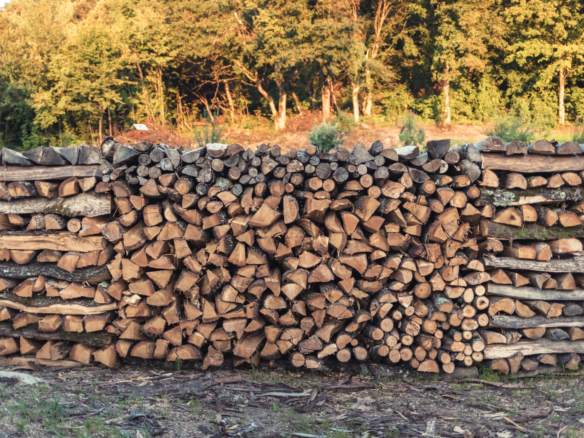
Then it is time to clear away everything that has been cut down. There are a few methods to do this, as any felled trees can be hauled away, or they can be cut up and used for firewood or lumber. You can also chip felled trees and brush into mulch which can be used later. Once the physical clearing process is complete, a bulldozer is usually brought in to level the land, giving you a smooth surface to build upon. Soil may also be stabilized by compacting it or adding soil amendments. If necessary, erosion control may be a key step in this process. Erosion control barriers can be installed, and you can seed and mulch the land to promote plant growth, preventing erosion.
Finally, it is important to inspect the land and ensure that everything necessary has been cleared and meets your expectations. Then it is time to get approval from the local authorities, verifying that it is now safe to build.
As for pruning, it is important to complete if you want your vegetation to live long and healthy. This also helps with pest control and can fulfill your aesthetic purposes. To prune, you first want to identify which plants and species of tree you have on your property; and do proper research on when and how to prune each plant. The core purpose of pruning is to remove dead or diseased branches and leaves, which can be done year-round. To prune trees specifically, your focus should be on limbs less than 2 inches in diameter. Anything larger than that should be left to a professional.
As for the actual pruning, measure 12-15 inches from where the branch of the tree meets the trunk, and using a pruning saw, make a cut under the branch about halfway through. Then place the saw above the cut, on the upper side of the branch, and cut all the way through. This lessens the weight of the limb, making it easier to completely sever. Once this is done, you can cut the limb off where it meets the tree trunk, which will fight off decay.
Sustainable Practices
There are a few ways to maintain your land sustainably. If you’re using your land for agriculture, a few options include crop rotation, conservation tillage, and cover cropping.
In general, you can also help to fight habitat loss through your land. Crop rotation can be complicated, so it is important to research what crops you plan to grow, and what effects they have on the soil. The whole point of crop rotation is to promote soil health by planting a different crop in the same place after each harvest. For example, if you grow wheat one year, you can grow corn in the same place the next year. However, some crops have different effects on the soul that should be offset by other crops. For example, corn releases a lot of nitrogen. Depending on your rotation, you can maximize nitrogen production, improve soil nutrients, and minimize pests and weeds. You can also increase biodiversity on your land.
Conservation tillage is a straightforward practice, but it takes some time. When you go to harvest your crops, leave the crop residue on the soil and let it build up with each harvest. By leaving the crop buildup, the soil is protected from wind and water erosion. Luckily, cover cropping is also straightforward. The practice’s purpose is to plant crops that cover the soil when a main crop isn’t being grown. For example, if you primarily grow wheat, but it is out of season, then you would cover the soil with a crop in its place. This prevents erosion of the soil and can help prevent the growth of weeds. You can also help prevent habitat loss by planting native trees, shrubs, flowers, and other greenery. You must find what plants are native to your area and learn how to care for them to ensure their health.
Another important part of sustainable land practices is water conservation, which can be done by reusing water for other things. For example, you could use old bathwater to water the surrounding plants, ensuring there are no harmful chemicals in the water that may pose a threat to the soil and plants. Finally, for general sustainability, you can use other parts of the land for your land. For example, if you need to fell a tree, you can use the wood for a fire to heat your home, or you can use the wood for mulch, which you would then use to protect your soil from erosion. There are many ways you can use your land-just get creative!
Long Term Land Maintenance Planning
While not entirely crucial, it can be a clever idea to create a plan to prevent and deal with expensive issues that may arise in the future. In general, you’ll want to create time for regular maintenance that prevents (for the most part) any issues that may arise. To perform regular maintenance, you’ll want to create a plan of what things need to be regularly checked. From a home perspective, this could be regular home maintenance such as checking smoke and carbon monoxide detectors, roofing, heating, lighting, electricity, etc. From a land perspective, checking that trees and plants are healthy and caring for those that are not. It can also include checking soil health and erosion, water health and safety, and irrigation. It is a good idea to go around your property and take notes of things that need regular maintenance, and when. Then, create a rotating maintenance schedule that works best for you.
Seasonal Maintenance Checklist
It is important to note that some maintenance is seasonal, and each season is different. In Spring, it is a good idea to check for and fix any winter damage, prune plants and trees, and sometimes plant and fertilize. Spring is also a good time to check your pipes for any damage and do a general cleanup of the land. In Summer, it is important to maintain your plants and trees; protecting them from too much sun, diseases, and pests. For Fall, depending on your environment and climate, you’ll want to rake leaves, prune, and thin tree branches. Finally, in Winter, it is crucial to check your insulation, prepare your plants and house for colder weather, and winterize your pipes. There may be more maintenance depending on your environment, climate, and what you use your land for, so it is important to do further research for your own circumstances.
Overall, it is important to maintain your land for your agricultural and aesthetic purposes, as well as for a healthy environment. The main aspects of land maintenance are soil health, water health, and plant health, and it is a good idea to expand from those three ideas.
Further Resources
https://edis.ifas.ufl.edu/publication/SS657
https://pages.uoregon.edu/rgp/PPPM613/LandNeed.htm
https://www.compasslandusa.com/check-property-utilities/
https://mcculloughtreeservice.com/storm-clean-up/tips-on-land-clearing-process/
https://www.stihlusa.com/guides-projects/a/how-to-prune-your-property/
https://rodaleinstitute.org/why-organic/organic-farming-practices/crop-rotations/