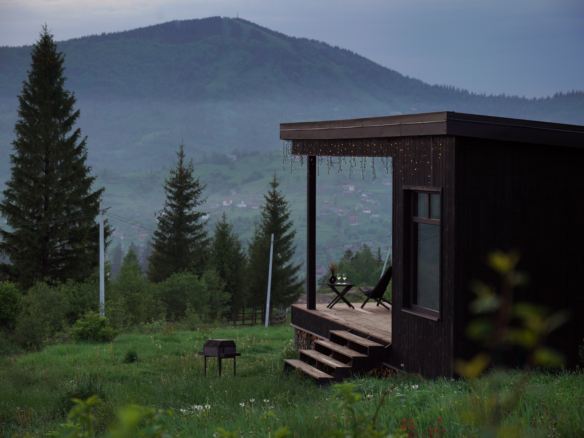
Creating your dream eco-friendly shelter is not just a step towards a self-sufficient lifestyle, but a rewarding adventure in sustainable living. Imagine waking up in a cozy home that blends seamlessly with nature, whether it’s a tiny home nestled in the woods or a yurt on a sunny hillside. By tapping into sustainable building materials like reclaimed wood or exploring earthbag construction, you can craft a space that’s both energy-efficient and kind to the planet. In this post, we’ll guide you through the essentials of eco design, offering tips that make off-grid living both practical and fulfilling. So, are you ready to explore the possibilities of building a home that reflects your commitment to the environment? Let’s get started!
Choosing Sustainable Building Materials
When it comes to creating an eco-friendly shelter, the materials you choose play a crucial role. Let’s explore some sustainable options that can help you build a home that’s both environmentally responsible and comfortable.
Exploring Earthbag Construction
Earthbag construction is a simple yet effective building technique that uses bags filled with soil or other materials to create sturdy, insulated walls. This method is gaining popularity among eco-conscious builders for its low environmental impact and durability.
One of the main advantages of earthbag construction is its affordability. The primary material – earth – is often readily available on-site, reducing transportation costs and carbon emissions.
Earthbag homes are also highly resistant to natural disasters, making them a great choice for areas prone to earthquakes or extreme weather. Learn more about the anatomy of earth-sheltered homes on Pinterest.
For those interested in DIY building, earthbag construction is relatively easy to learn and doesn’t require specialized tools, making it an accessible option for many aspiring off-grid homeowners.
Benefits of Reclaimed Wood Cabins
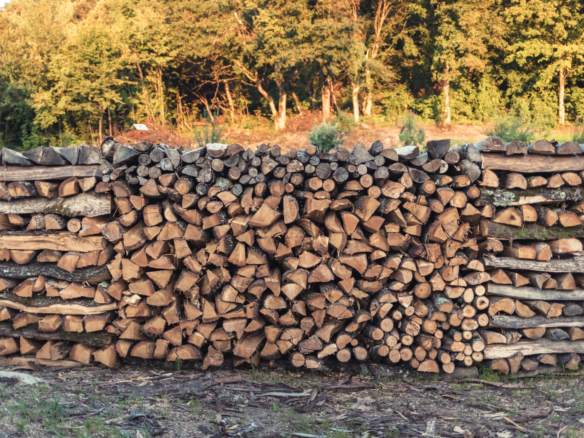
Reclaimed wood cabins offer a charming and sustainable housing option that combines rustic aesthetics with eco-friendly principles. Using reclaimed wood helps reduce deforestation and gives new life to materials that might otherwise end up in landfills.
These cabins often have a unique character, with each piece of wood telling its own story. The weathered appearance and natural imperfections add warmth and personality to your living space.
From an environmental standpoint, reclaimed wood cabins have a lower carbon footprint compared to those built with new materials. They require less energy to produce and transport, as the wood has already been harvested and processed.
Building with reclaimed wood can also be cost-effective, especially if you’re willing to put in some work to source and prepare the materials yourself. Check out this Facebook group for inspiration and tips on building with reclaimed materials.
Versatility of Yurts
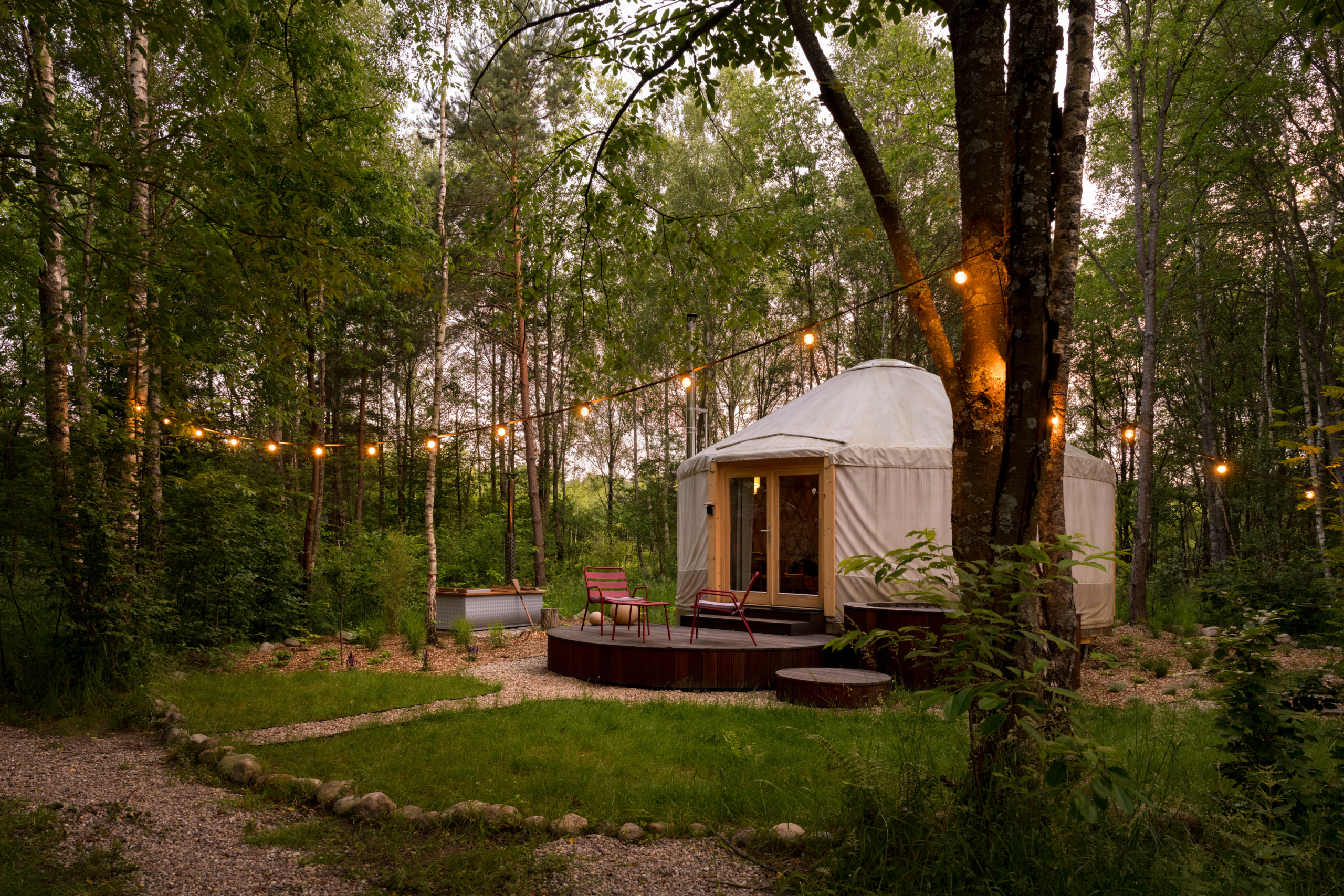
Yurts, traditional circular dwellings originating from Central Asia, have become increasingly popular as eco-friendly shelter options. Their simple design and efficient use of space make them an attractive choice for those seeking a minimalist lifestyle.
One of the key advantages of yurts is their portability. They can be easily assembled and disassembled, allowing you to relocate your home with minimal environmental impact. This flexibility is perfect for those who want to explore different locations or adapt to changing circumstances.
Yurts are also highly energy-efficient due to their circular shape, which promotes natural air circulation and reduces heat loss. With proper insulation, they can be comfortable in various climates.
These structures can be customized to suit your needs, from basic camping setups to fully-equipped permanent homes. Learn more about modern yurt living in this Facebook group discussion.
Designing for Energy Efficiency
Creating an energy-efficient home is not just about reducing your carbon footprint; it’s also about making your off-grid lifestyle more sustainable and comfortable. Let’s look at some key strategies for maximizing energy efficiency in your eco-friendly shelter.
Passive Solar Heating Techniques
Passive solar heating is a smart way to harness the sun’s energy to keep your home warm without relying on mechanical systems. This approach can significantly reduce your energy needs and make off-grid living more manageable.
The basic principle of passive solar heating is to maximize solar gain during cold months and minimize it during hot months. This is achieved through thoughtful design and orientation of your home.
Key elements of passive solar design include:
-
South-facing windows (in the Northern Hemisphere) to capture sunlight
-
Thermal mass materials like concrete or stone to absorb and store heat
-
Proper insulation to retain warmth
-
Overhangs or shading devices to control sunlight in summer
By incorporating these features, you can create a naturally comfortable living space that requires minimal additional heating. Watch this YouTube video for a detailed explanation of passive solar design principles.
Effective Insulation Options
Proper insulation is crucial for maintaining a comfortable temperature in your eco-friendly shelter while minimizing energy consumption. Choosing the right insulation can make a significant difference in your home’s energy efficiency.
Natural insulation materials are often preferred for eco-friendly builds due to their low environmental impact. Some popular options include:
-
Sheep’s wool: Excellent insulator, naturally fire-resistant
-
Cellulose: Made from recycled paper products, good for soundproofing
-
Hemp: Moisture-resistant and mold-resistant
-
Straw bales: Great for thick walls with high insulation value
When selecting insulation, consider factors such as R-value (insulation effectiveness), moisture resistance, and environmental impact. The right choice will depend on your specific climate and building design.
Remember that proper installation is just as important as the material itself. Ensure there are no gaps or compressed areas that could reduce insulation effectiveness.
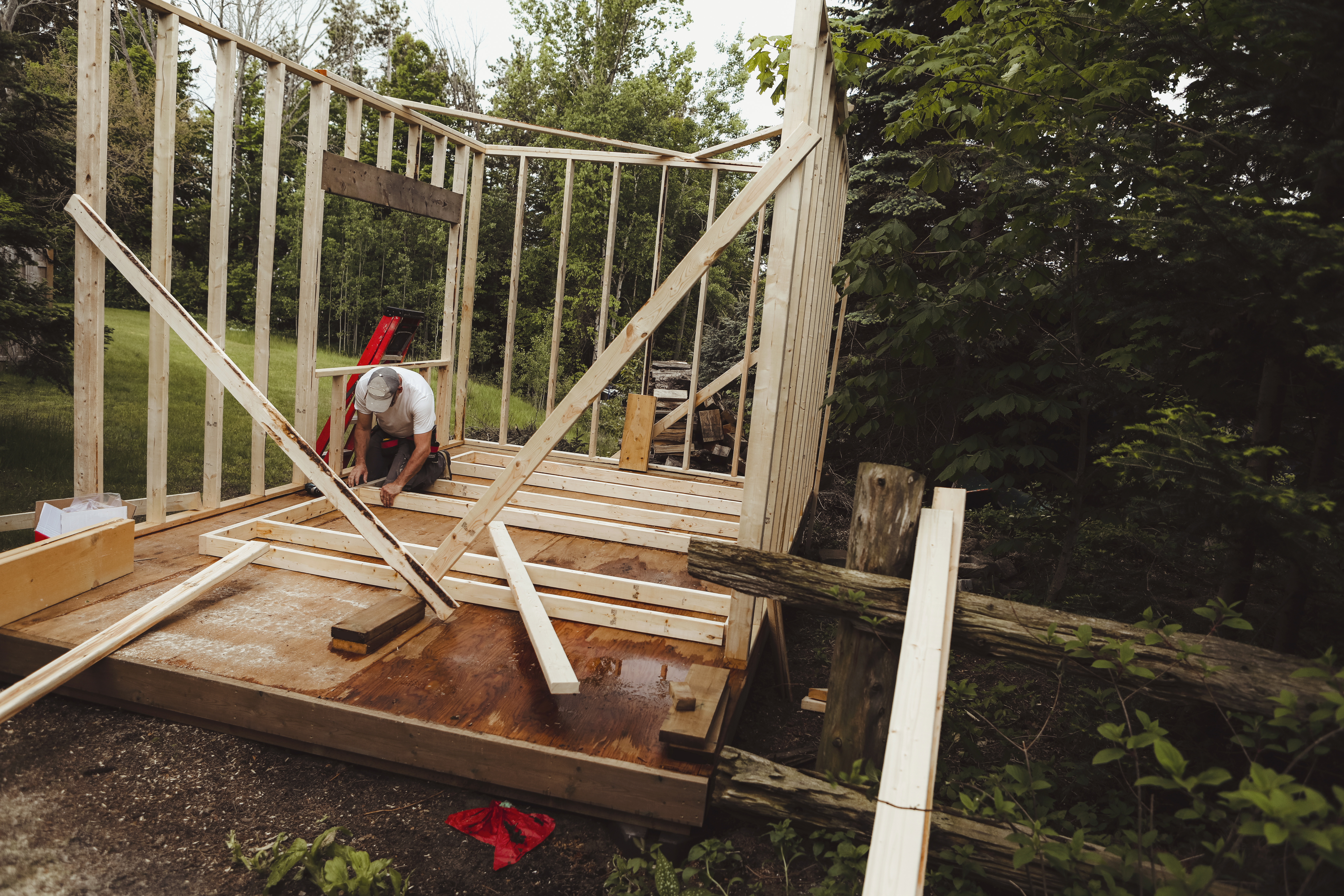
Embracing the Off-Grid Lifestyle
Going off-grid is more than just a housing choice; it’s a lifestyle that promotes self-sufficiency and a closer connection to nature. Let’s explore some popular approaches to off-grid living.
Tiny Homes for Minimalist Living
Tiny homes have become a symbol of the minimalist, off-grid lifestyle. These compact dwellings offer a way to reduce your environmental impact while simplifying your life and focusing on what truly matters.
The small footprint of tiny homes makes them ideal for off-grid setups. They require less energy to heat and cool, and their limited space encourages mindful consumption and creative storage solutions.
Many tiny homes are built on wheels, offering the flexibility to move your dwelling as needed. This mobility can be particularly appealing for those who want to explore different locations or adapt to changing circumstances.
Despite their size, tiny homes can be designed to include all the essential amenities. Clever design solutions like multi-functional furniture and vertical storage help maximize the use of space. Check out this Reddit thread for tips on building a self-sustaining tiny house.
Creating a Self-Sufficient Environment
Self-sufficiency is at the heart of off-grid living. Creating a self-sufficient environment involves more than just generating your own power; it’s about meeting all your basic needs in a sustainable way.
Key aspects of self-sufficiency include:
-
Energy production: Solar panels, wind turbines, or micro-hydro systems
-
Water collection and purification: Rainwater harvesting, well systems, filtration
-
Food production: Vegetable gardens, greenhouses, small-scale animal husbandry
-
Waste management: Composting toilets, greywater systems
Developing these systems requires planning and effort, but the result is a home that operates independently from external resources. This independence not only reduces your environmental impact but also provides a sense of security and connection to your surroundings.
Remember that self-sufficiency is often a gradual process. Start with one or two systems and expand as you become more comfortable with off-grid living. The journey towards self-sufficiency can be as rewarding as the destination.